
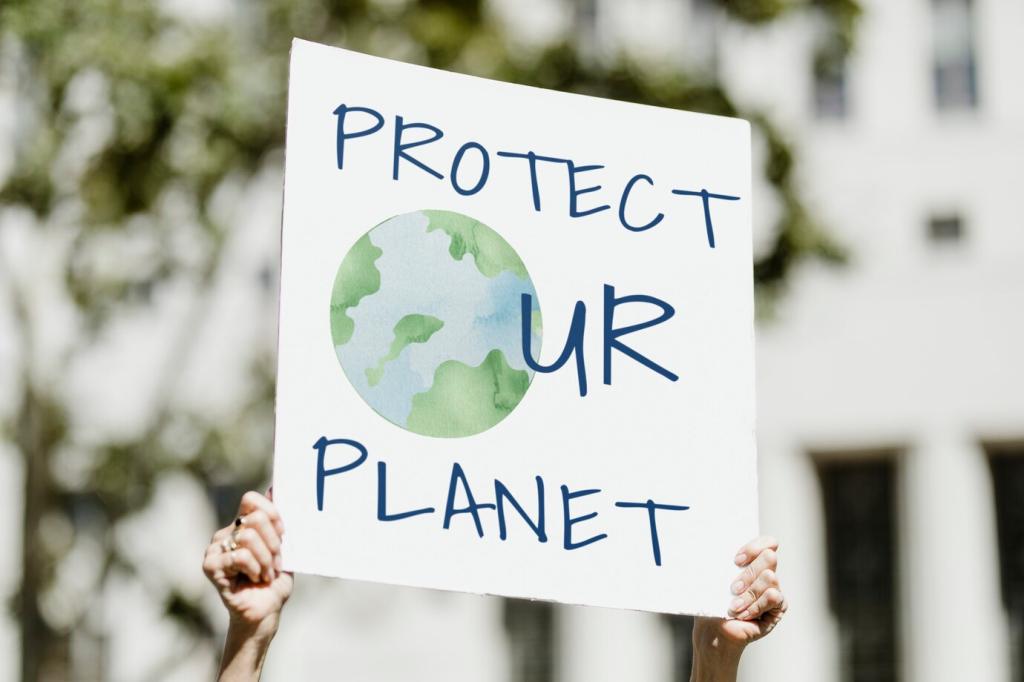
Urban Green Spaces: A Conservation Focus

Today’s theme: Urban Green Spaces: A Conservation Focus. Explore how thoughtful design, community stewardship, and data-driven care can protect urban nature. Share your experiences, ask questions in the comments, and subscribe for monthly conservation tips and neighborhood success stories.

Cooling Cities and Cleaning Air

Tree canopies shade asphalt, reduce surface temperatures, and filter particulate pollution that stresses lungs. By prioritizing conservation plantings, cities cut energy demand, buffer heat waves, and create breathable corridors that benefit vulnerable residents during increasingly extreme summers.

Biodiversity in the Concrete Jungle

Native shrubs, flowering perennials, and deadwood support insects, birds, and fungi that stitch fragmented habitats back together. Conservation-minded patches become stepping stones, allowing pollinators and migratory species to find food, refuge, and routes through dense neighborhoods.

Wellbeing Tied to Nature Access

Evidence links regular time in biodiverse spaces to lower stress, improved attention, and stronger community ties. Protecting and restoring urban green areas ensures equitable access to these health benefits, especially for families living far from large regional parks.

Designing with a Conservation Lens

Select species adapted to local soils and seasonal rhythms. Deep roots anchor soil, support mycorrhizae, and thrive with less irrigation. Native blooms feed specialist pollinators whose life cycles align with flowering windows, strengthening the entire urban food web.

Designing with a Conservation Lens

Blend canopy, understory, and groundcover to create vertical diversity. Logs, brush piles, and stone clusters add shelter for beetles and lizards. Varied structure reduces disturbance impacts and invites children to explore nature respectfully, guided by gentle signage.

Community Power: Stories from the Park Edge

01
The corner lot once collected tires and windblown trash. After Saturday cleanups and a native plant giveaway, milkweed sprouted by the fence. By midsummer, monarch caterpillars returned, and schoolchildren counted chrysalis shells like treasure along the path.
02
Volunteers prioritized wheelchair-friendly paths, multilingual signs, and shade near bus stops. Local elders suggested drought-tolerant sages used in traditional teas. Conservation felt personal, honoring culture while expanding habitat, and attendance soared at story circles under the sycamore.
03
Instead of relying solely on grants, neighbors scheduled short, joyful work parties with music and lemonade. Regular weeding, mulch top-ups, and wildlife logs became rituals. New volunteers felt welcomed, learning tools and stories alongside bird songs at dawn.

Science in the Park: Monitoring and Metrics

Quarterly photo points, canopy cover estimates, and pollinator counts reveal trends without expensive equipment. When drought hits, numbers guide watering priorities. When birds rebound, data convince funders and city agencies to expand successful habitat treatments across districts.

Science in the Park: Monitoring and Metrics

Use iNaturalist for species identification, eBird for migration timing, and Merlin for calls. Shared observations build public datasets scientists already trust, turning local sightings into evidence that urban green spaces genuinely anchor regional conservation outcomes.

Science in the Park: Monitoring and Metrics

Start with a habitat map and clear goals: fifty percent native cover, reduced mowing, or nesting boxes on three edges. Post progress online and onsite, celebrate milestones, and invite feedback so everyone feels ownership of the conservation trajectory.

Planning Tools that Protect

Embed habitat corridors in comprehensive plans, require native plant percentages in streetscapes, and zone for park access within a ten-minute walk. Conservation standards in permits prevent rollback and keep biodiversity visible in everyday development decisions.

Creative Funding Streams

Blend microgrants, participatory budgeting, tree rebates, and small corporate sponsorships tied to measurable outcomes. Transparent dashboards help donors see impact, while community events convert curiosity into recurring contributions that support tools, mulch, and youth stewardship stipends.

Maintenance Covenants and Community Agreements

Memorandums with schools, churches, and tenant associations share responsibility beyond initial ribbon-cuttings. Clear schedules, training, and emergency contacts keep conservation plantings thriving, even when champions move away or city crews face competing priorities after storms.
Ganafone
Privacy Overview

This website uses cookies so that we can provide you with the best user experience possible. Cookie information is stored in your browser and performs functions such as recognising you when you return to our website and helping our team to understand which sections of the website you find most interesting and useful.